This blog is inspired by a lecture which was given by Alex Papodopulos.
What is the illegal wildlife trade?
- The illegal wildlife trade is when poachers kill animals for their skin, fur and bones for example.
- For example, an elephant would be killed for their tusks as they are used for medicinal purposes in some countries.
With climate change and habitat destruction already reducing the populations of these species, the need to prevent the illegal killing of these animals for their appendages is a must.
Alex went on to say that we could incorporate molecular biology and use molecular markers as a way of detecting the illegal trade of protected animals, and to stop poachers in their tracks.
What are molecular markers?
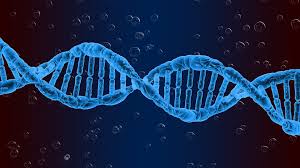
- Molecular markers are a region of the DNA which could be specific to that species to help identify what it is.
When poachers kill animals and prepare to sell them, they remove most of their morphological features which are specific to that species.
Removing these features allows the species to be unidentified based upon morphological features alone, and most of the time allows the poacher to get away with it!
Incorporating molecular markers into this field is essential, as it allows conservation management and law enforcement to tackle the problem effectively.
Animals such as sharks, elephants, wolves, parrots, and many more face this problem everyday, and is dramatically reducing their numbers in the wild.
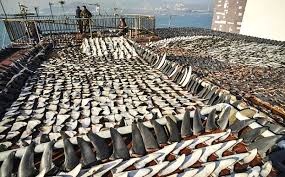
For example, shark fishing is a big problem in many countries, such as Brazil. There is a lot of money to be made as the demand for shark fins for shark fin soup is high in Asian countries.
With only the fin to go off, it is difficult to detect what species the shark is. As some sharks are protected, ensuring the fins aren’t from these species is essential.
Molecular markers come in useful here, as they help to identify the species of which the fin belongs to based upon its DNA.
This process acts as a deterrent to poachers and to conserve those species of sharks, parrots and many more animals which are protected.
It also allows law enforcement to be put into place into areas which are subject to high amounts of poachers.
https://www.wwf.org.uk/what-we-do/stopping-illegal-wildlife-trade – This is a link to the WWF website on the importance of stopping the illegal wildlife trade.
This lecture opened my eyes to the possibilities and advancemtns of molecular biology, using this process in the illegal wildlife trade was something which I didn’t know before.
As conservation is one of the most important things, especially with climate change increasing, finding new methods and incorporating new techniques to help is important.
As I am hoping to do a masters in molecular biology and biotechnology, this interested me and possibly a future career opportunity.
 Emily's Blog